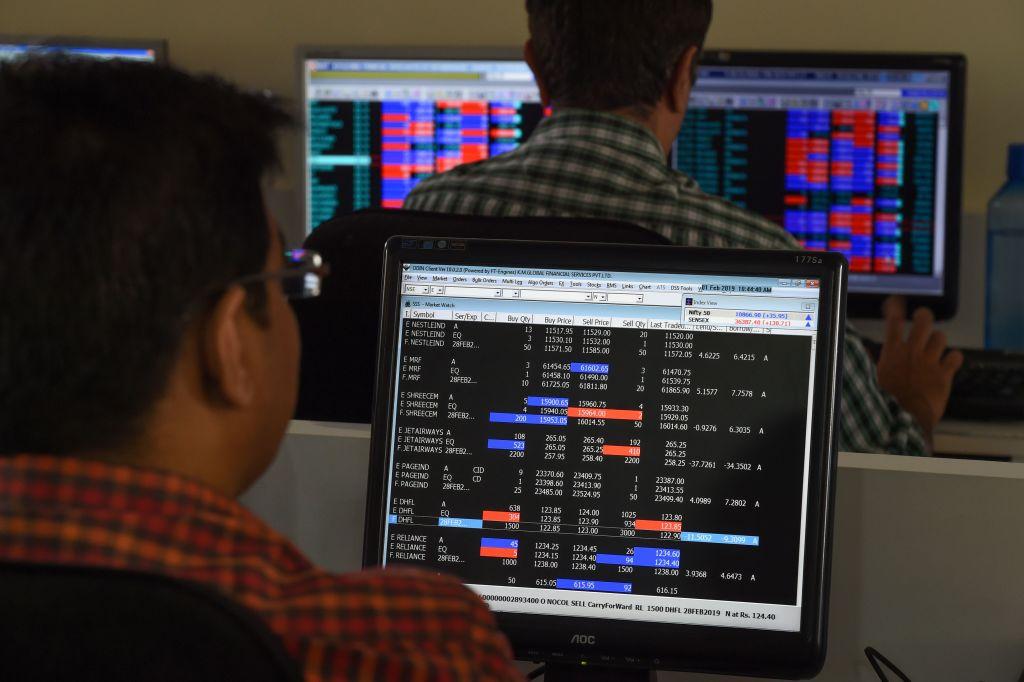
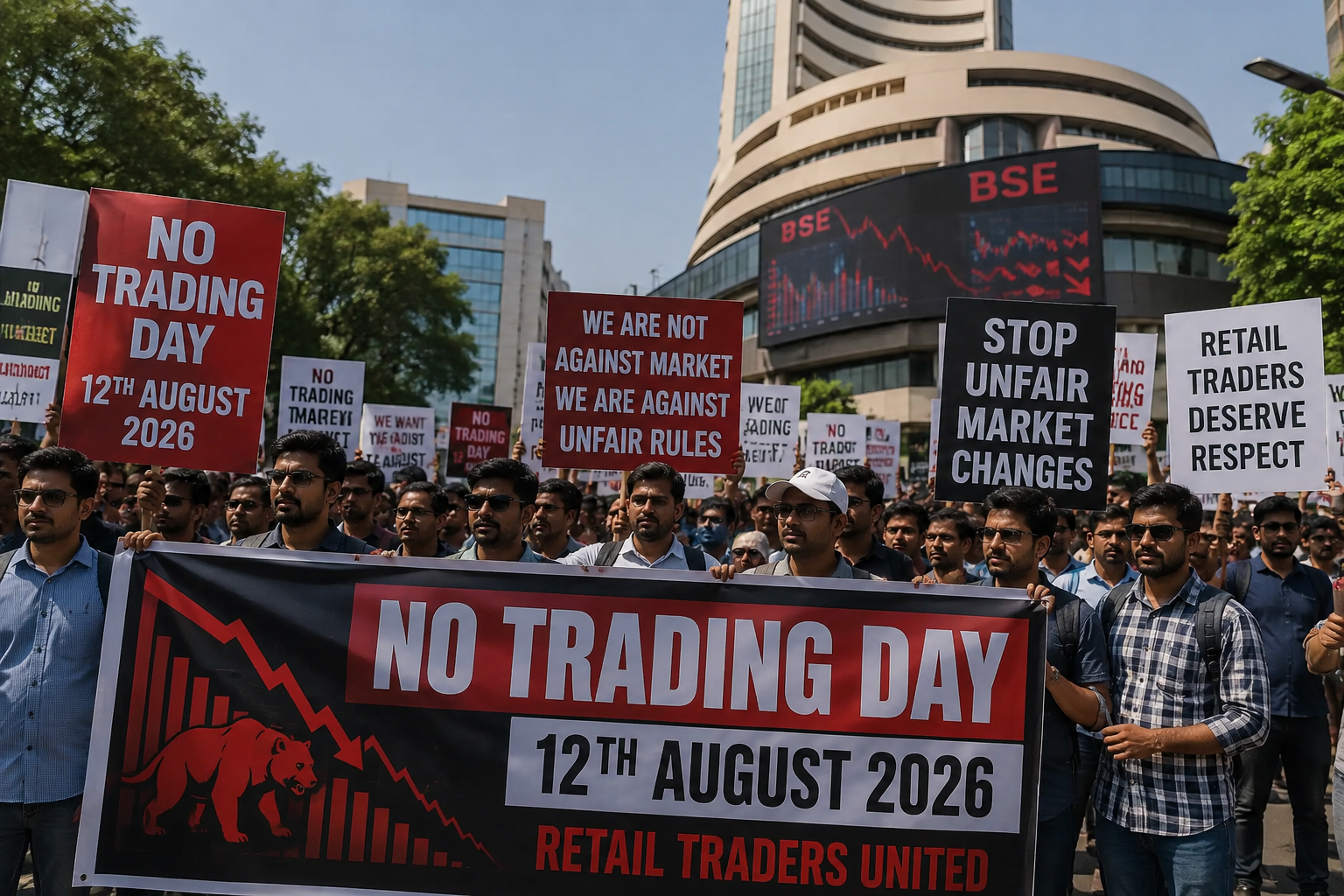
India’s retail trading community is drawing attention to August 12, 2026, with traders across social media encouraging one another to stay away from the stock market for a single session.
The campaign is being widely promoted as a “No Trading Day”. However, this does not mean that the National Stock Exchange or Bombay Stock Exchange has declared an official market holiday.
August 12 Is Not an Official NSE or BSE Holiday
Indian exchanges are expected to remain open. The campaign is a voluntary boycott being promoted by sections of the retail trading community.
Why Are Retail Traders Protesting?
The biggest trigger behind the campaign is the introduction of India’s new Closing Auction Session (CAS). The new system changes the way official closing prices are determined near the end of the trading day.
The objective of CAS is to improve closing-price discovery and bring India closer to auction-based systems used in other major global markets.
What Happened After CAS Was Introduced?
Early sessions under the new mechanism produced sharp movements near the market close. These sudden changes created uncertainty among traders, especially those trading futures and options.
Even small changes in an index close can significantly affect options values around expiry, which is one reason the new mechanism attracted so much attention.
The protest is not about an exchange shutdown but about traders choosing not to participate for one day.
Why Are Retail Traders Concerned?
Retail traders supporting the campaign argue that the closing auction can make the final part of the trading session more difficult to understand and manage.
Their concerns include sudden closing movements, uncertainty around indicative prices, changes in options values and the possibility that large institutional participants may have better execution capabilities.
Old Close vs Closing Auction Session
Previous System
Closing prices were determined using trading activity from the final portion of the regular market session.
New CAS System
A separate auction collects orders before matching them to establish the official close.
Is the Indian Stock Market Closed on August 12?
No. August 12, 2026 is not being treated as an official NSE or BSE market holiday.
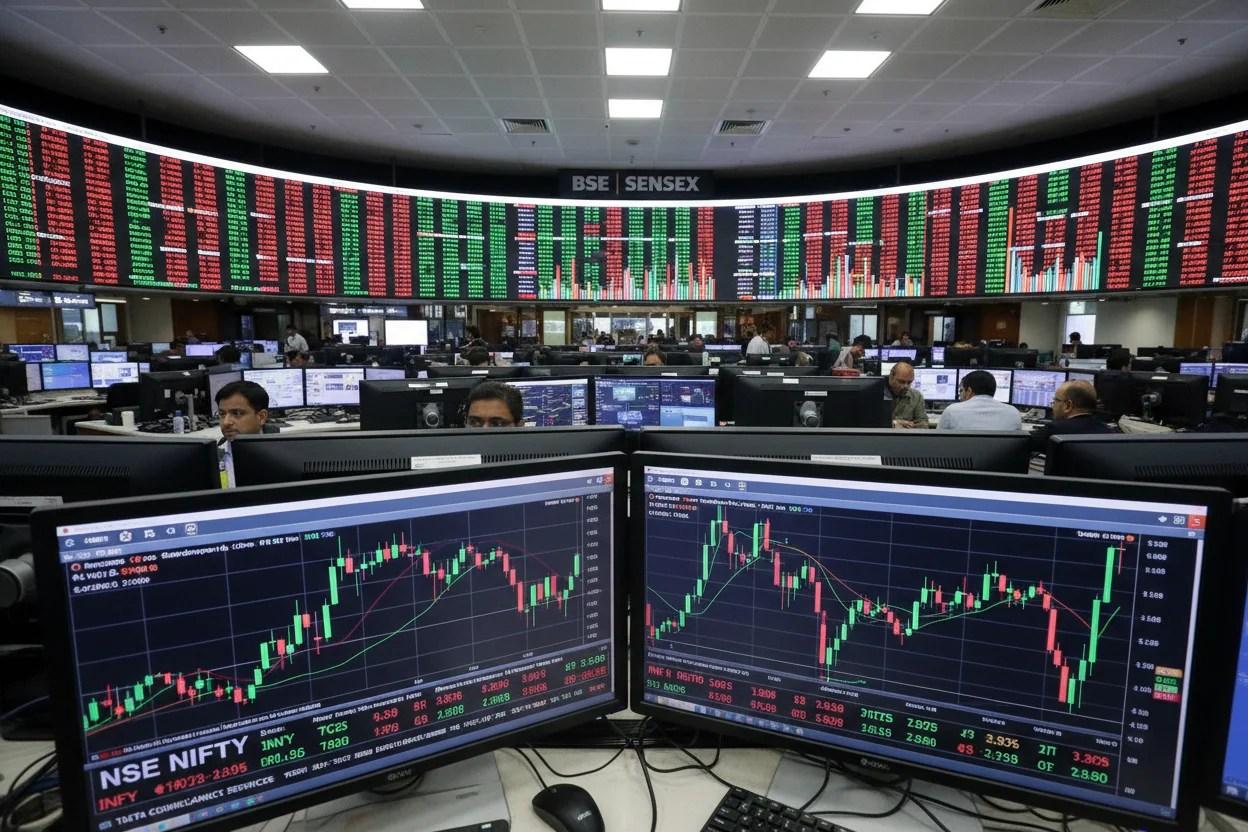
The exchanges are expected to operate normally while participating retail traders voluntarily choose not to place trades.
Market Open
NSE and BSE are expected to remain operational.
Voluntary Boycott
Some retail traders may choose not to trade.
Could the Boycott Affect the Market?
The effect will depend on how many retail traders participate. If participation is high, retail activity could temporarily decline in certain market segments.
However, institutional investors, market makers, proprietary trading firms and other participants can continue trading normally.
What Does August 12 Really Represent?
The campaign represents a wider debate about how market modernization affects different groups of traders.
Institutional participants often have deeper liquidity, advanced technology and sophisticated execution systems, while retail traders generally operate with smaller capital and fewer resources.
Market Open ≠ Retail Boycott
August 12, 2026 is not an official Indian stock-market holiday. It is a voluntary “No Trading Day” campaign being promoted by sections of the retail trading community.
The Bigger Picture
The controversy has opened an important discussion about transparency, fairness, market structure and how quickly traders can adapt to regulatory changes.
The key question is whether market modernization can improve efficiency while maintaining confidence among individual traders.
This article is for educational and informational purposes only and does not constitute financial, investment or trading advice.